About R360.green
A regional ecosystem for palm resources and their industrial use
R360.green links the sources of palm residues with the industries that need them — built on three decades of field experience, deep knowledge of palm resources and the ability to organize supply to specification.
Who we are
Connecting palm residues with industrial demand
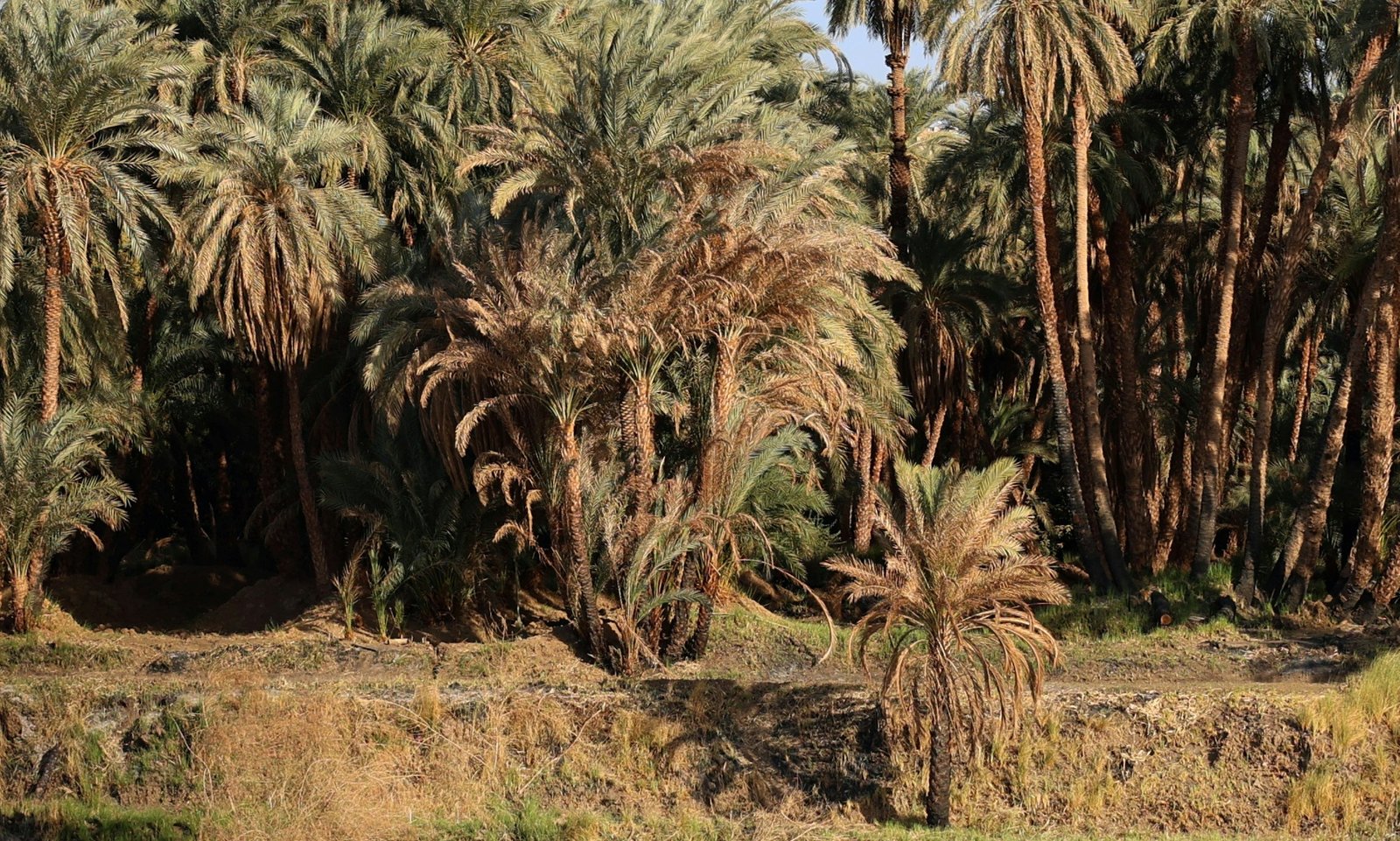
R360.green is a specialized ecosystem in the green and circular economy, focused on palm-resource supply chains. We identify where palm residues are generated, organize their collection, sorting and preparation, and supply them to factories and specialized users according to agreed specifications, standards and acceptance criteria.
Our focus is the GCC and North Africa — among the world’s largest date-palm regions. Our ambition is to become the regional reference for palm resources and their industrial applications, while welcoming supply and partnership requests from around the world.
01
Specification-led
Supply starts from the partner’s requirements, not from whatever material is available.
02
Organized handling
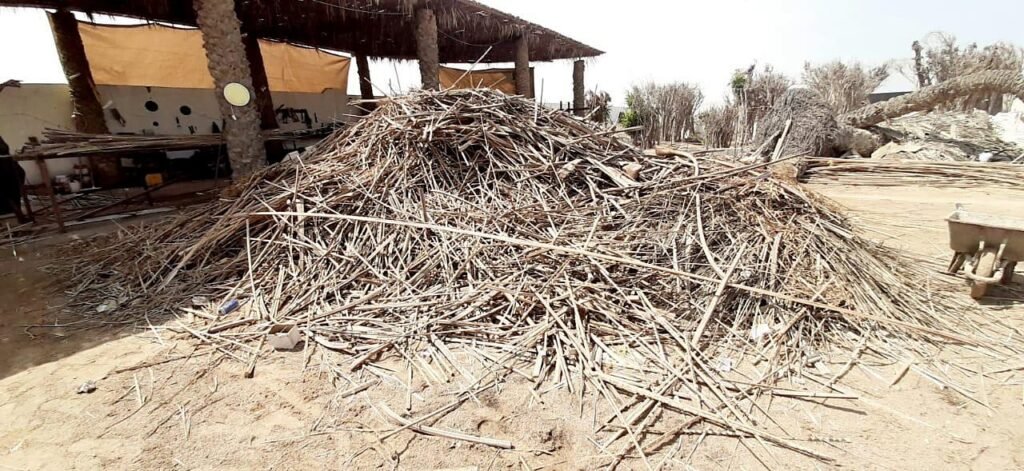
Residues are collected, sorted, prepared and stored as defined material streams.
03
Realistic commitments
Volumes and terms are confirmed against actual availability before they are agreed.
04
Open to collaboration
We work with manufacturers, technology providers and research partners worldwide.
Our journey & international participation
From field experience to a regional ecosystem
The story of R360.green begins with the hands-on work of its founder. Each stage added experience in sourcing, handling and using palm resources — experience that now shapes how R360.green organizes supply for industry.
1996
Field experience begins
Said Alwardi starts working with palm resources — the beginning of experience that reaches 30 years in 2026.
2005
Al Baydar is launched
The Al Baydar activity begins, putting palm residues and palm-based materials to practical use.
2008
A professional recycling system
The work develops into a more professional system for recycling and organizing the use of palm waste.
2011
A broader platform
Activity expands and the platform takes shape in a broader form, linking more sources, materials and uses.
2018
International participation
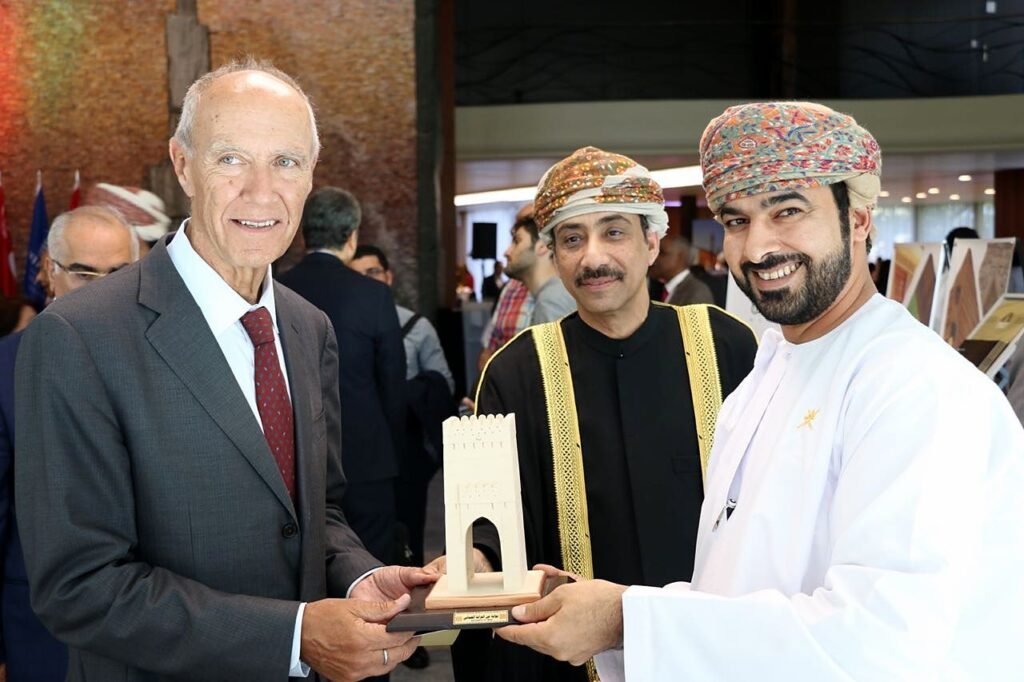
The founder’s participation, in connection with Al Darwaza, at WIPO headquarters in Geneva.
Today
R360.green
The founder’s experience is organized as R360.green — a specialized ecosystem for palm-resource supply chains serving industrial partners.
2031
Growth target
Collection, preparation and supply capacity of 500,000 tonnes a year.
International participation · 2018
Participation at WIPO, Geneva
In 2018, Said Alwardi took part, in connection with Al Darwaza, in an event at the headquarters of the World Intellectual Property Organization (WIPO) in Geneva.
It forms part of the founder’s journey with palm resources, described in the timeline above.
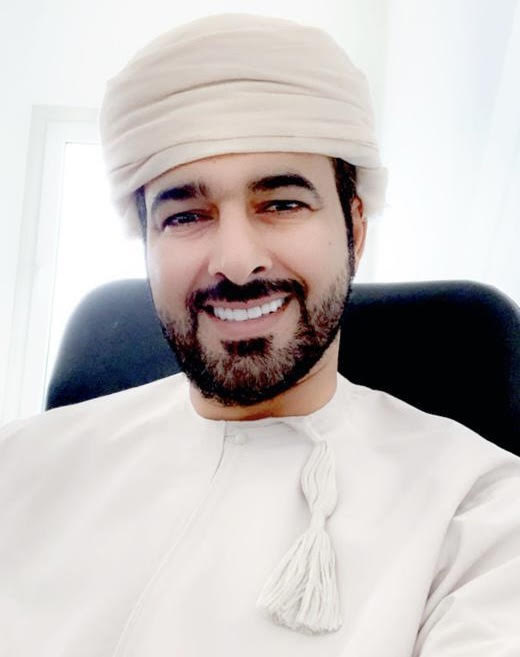
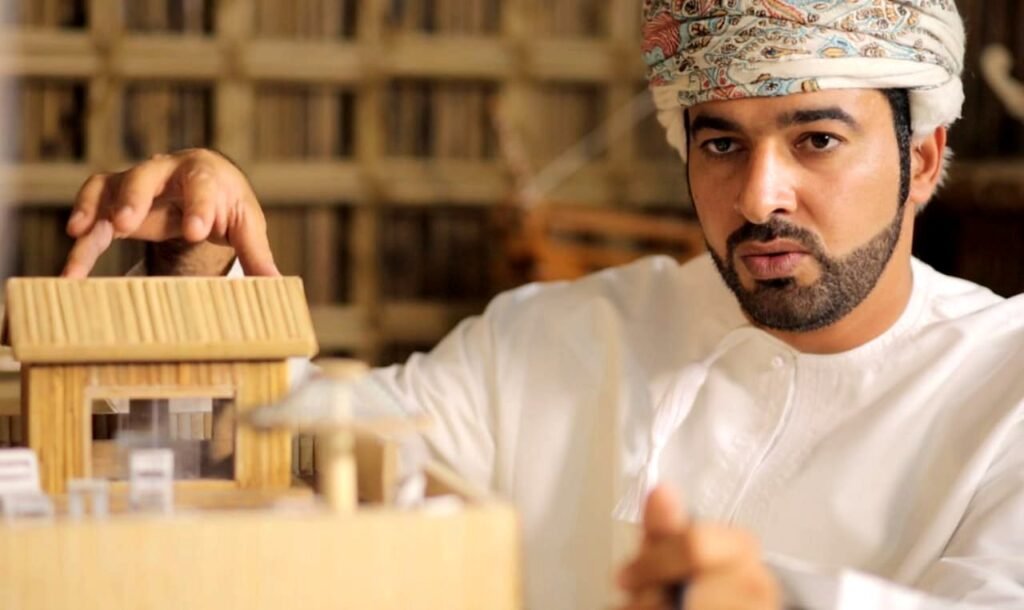
Founder
Said Alwardi
Founder & Ecosystem Director
Said Alwardi has worked with palm resources since 1996. His experience covers collecting and handling palm residues, building structured collection networks, organizing recycling, and developing practical uses and industrial value chains for palm materials across regional markets.
His focus is on circular-economy models that work in the field and at scale — models that turn under-used palm residues into dependable inputs for the manufacturers who rely on consistent material.
Areas of experience
- Collection, sorting and preparation of palm residues
- Structured collection networks and supply organization
- Recycling and practical applications of palm materials
- Industrial value chains across GCC and North African markets
What is active today
Current activity, pathways and targets
| Area | Status | Scope |
|---|---|---|
| Collection, sorting & preparation | Active | Collecting palm residues at source, sorting by material type, baling, bundling or bagging, and storage. |
| Organized supply to industry | Active | Supply to manufacturers and specialized users to agreed specifications, quantities and schedules — at least 100,000 tonnes a year can be organized and contracted. |
| Regional focus | GCC & North Africa | Sourcing and partnerships across the region’s main date-palm areas. |
| International supply | Case by case | Assessed per destination against its logistics and regulatory requirements. |
| Industrial application pathways | In development with partners | Biochar, agri inputs, fiber and packaging products, healthcare consumables and advanced materials. |
| Capacity growth | Target · 2031 | 500,000 tonnes a year through expanded collection networks, preparation sites, partnerships and contracts. |
Looking ahead
Building the regional reference for palm resources
Over the next five years we aim to raise our collection, preparation and supply capacity to 500,000 tonnes a year. Growth will come from wider collection networks, dedicated preparation sites, long-term supply contracts and industrial, technical and research partnerships.
Talk to us about your requirements
Whether you need palm material for production or want to explore a partnership, we are glad to start with a direct conversation.