
Palm waste supply
Collected, sorted, prepared and supplied to your specification
We turn scattered palm residues into defined material streams and supply them to factories and specialized users according to the specifications, quantities and acceptance criteria agreed with each partner.
Our service
Specified material, not mixed waste
Supply is based on what your process needs: material type, form and quality, volume and delivery schedule. Collection and sorting are organized around that specification, so the material you receive is fit for its intended industrial use.
01
Collect
Gather palm residues from their sources.
02
Sort & grade
Separate by material type and grade to the use.
03
Prepare & store
Bale, bundle or bag, then store ready for dispatch.
04
Supply
Deliver to agreed specification, quantity and schedule.
01
Collection at source
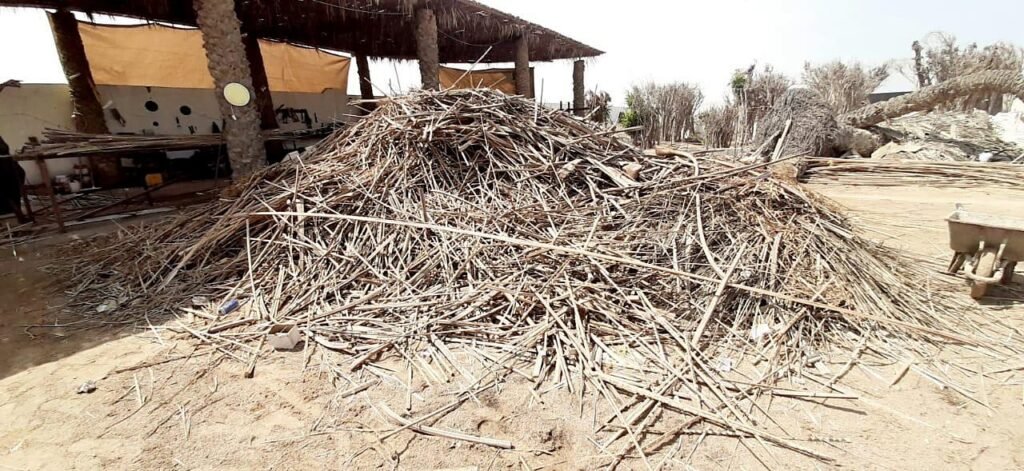
Palm residues are gathered from farms and palm-growing areas and brought to consolidation points, so scattered material becomes an organized flow.
- Collection organized by material stream
- Consolidation at handling points
- Records of origin and volume to support traceability
02
Sorting and grading
Material is separated by type — fronds, midribs, leaflets, trunks and fibers — and graded to the requirements of its industrial use.
- Separation by material type
- Removal of unsuitable or contaminated material
- Grading against the agreed specification
03
Preparation and storage
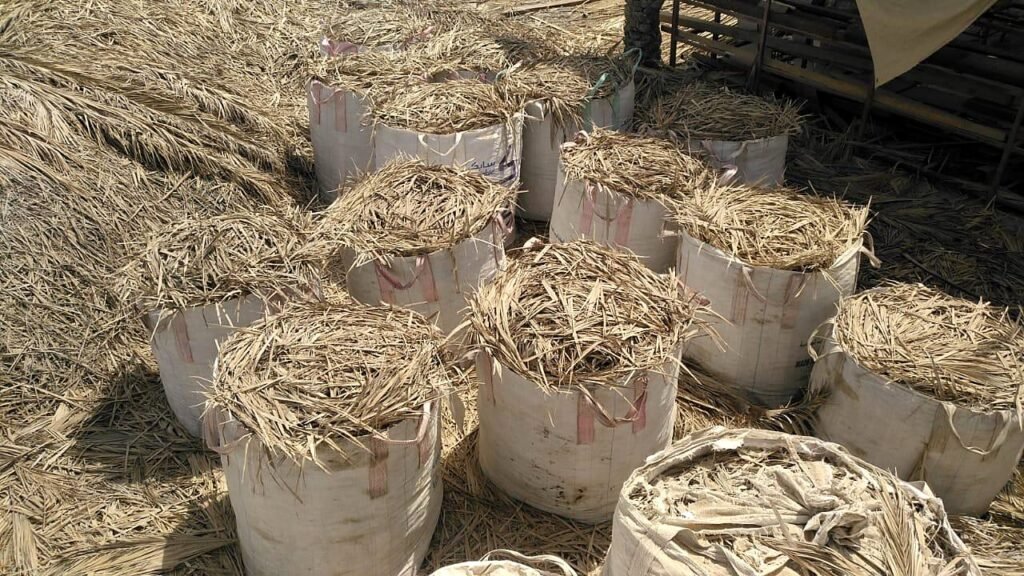
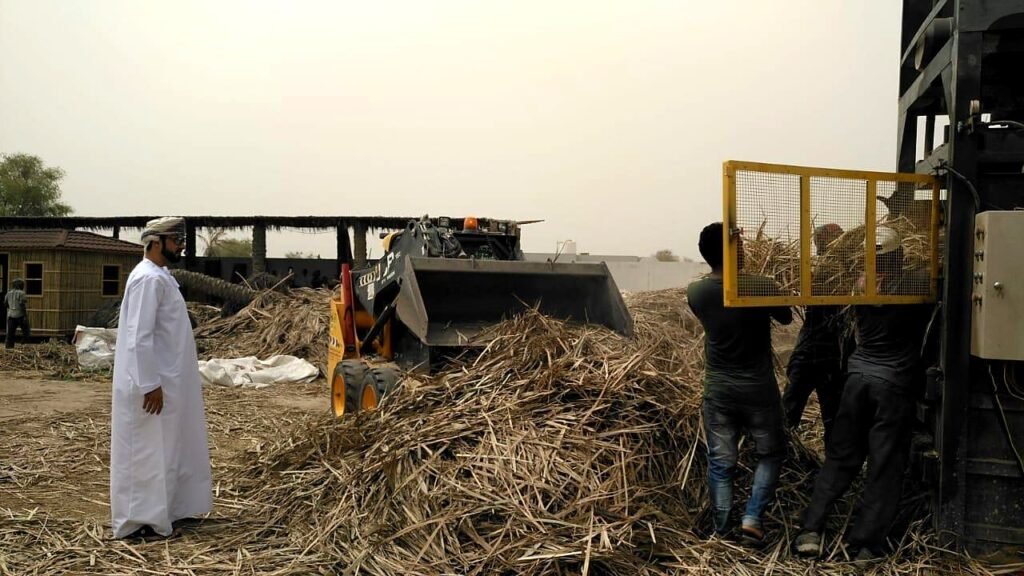
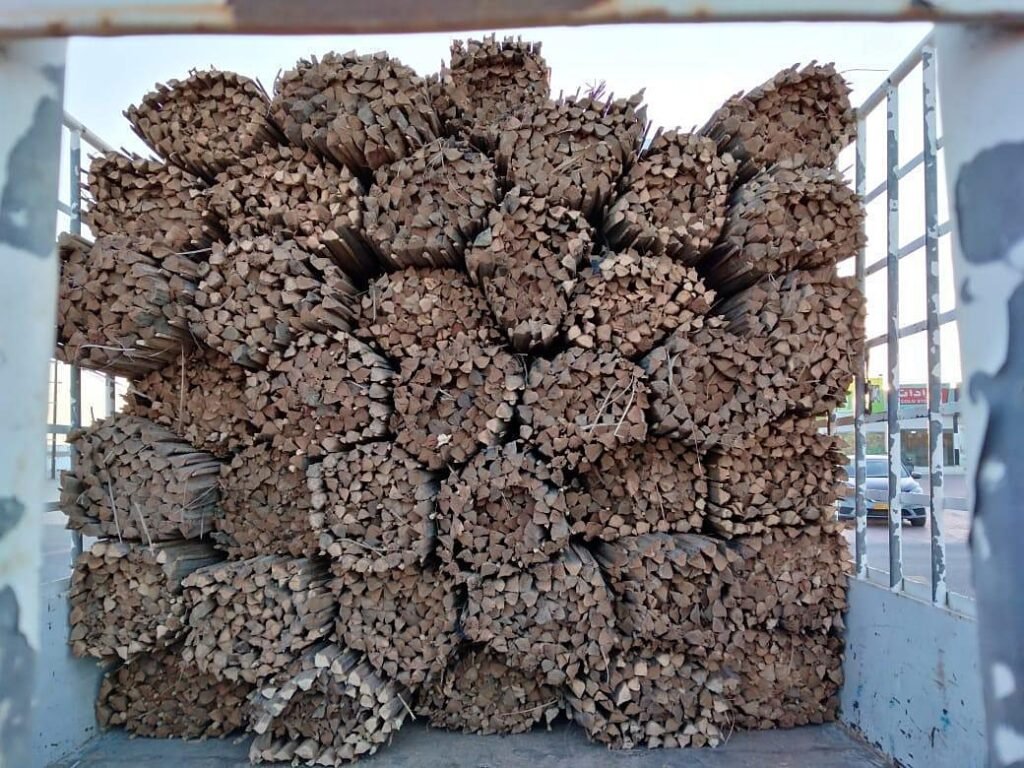
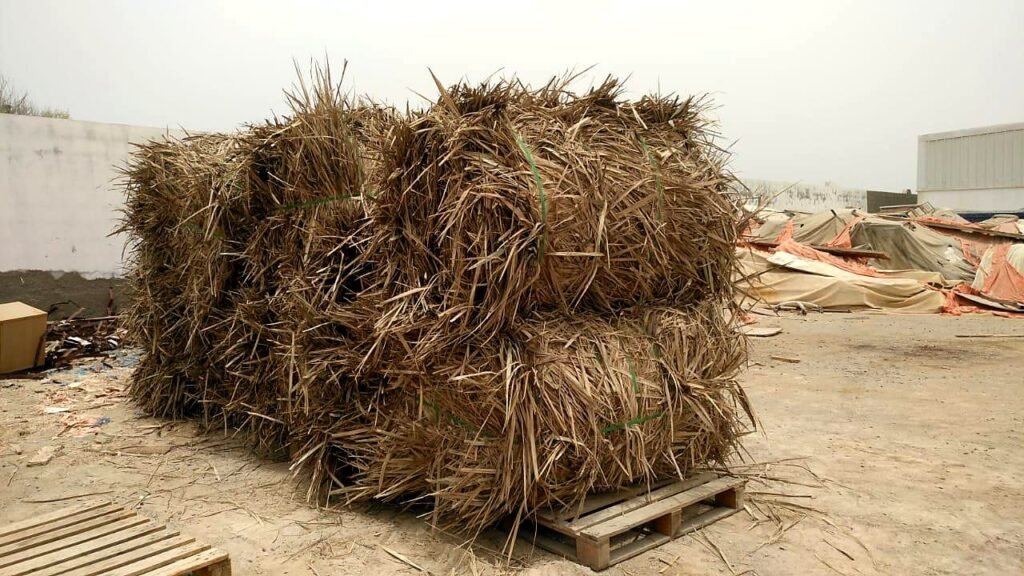
Sorted material is prepared for handling and transport — compressed into bales, cut and bundled, or packed in bulk bags — and stored ready for dispatch.
- Baling, bundling or bagging to suit handling and transport
- Organized storage by material and grade
- Stock planning against supply schedules
04
Loading and supply
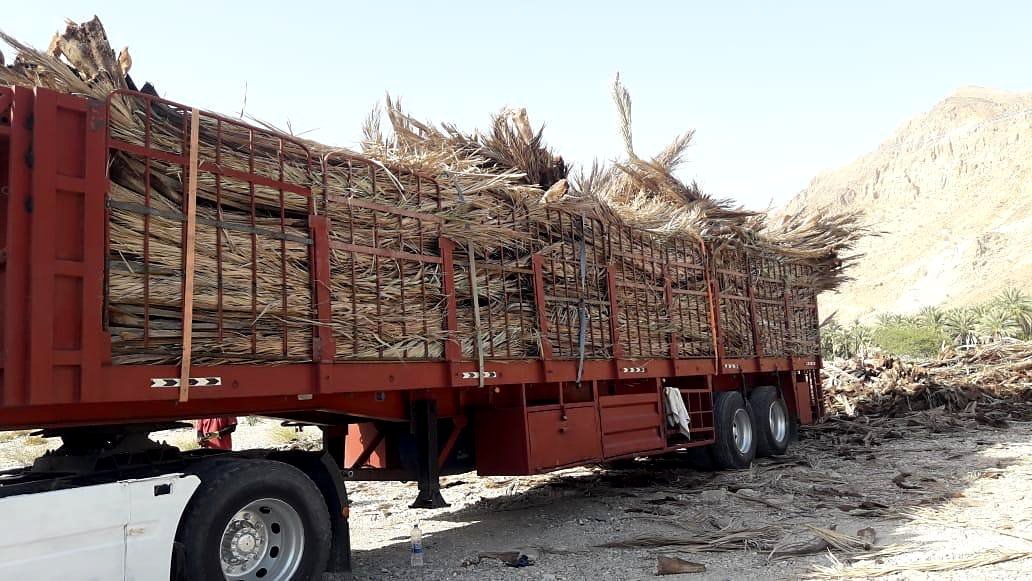
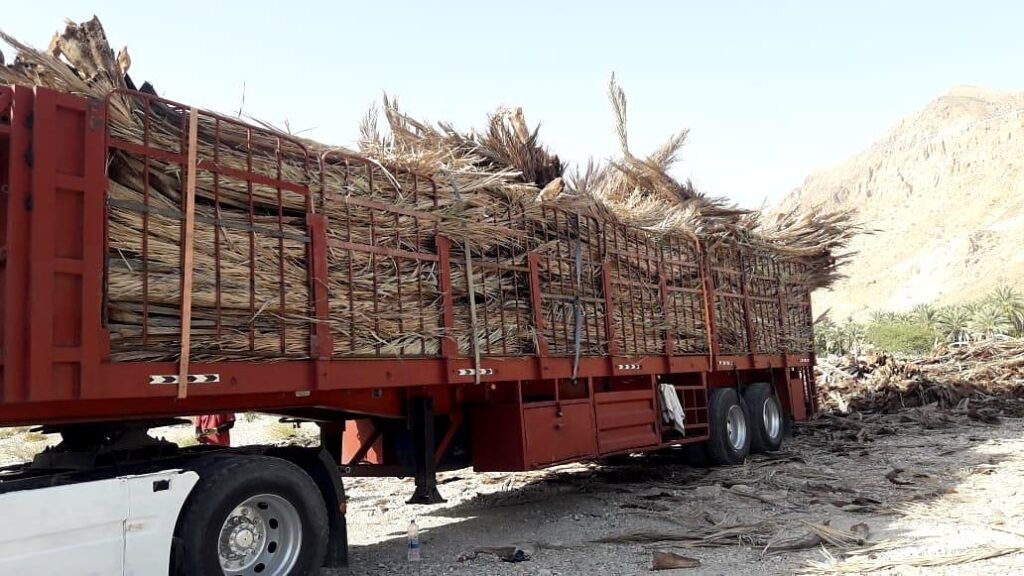
Loads are prepared and dispatched according to the agreed specifications, quantities and delivery schedule.
- Supply to agreed volumes and schedules
- Loading for road or container transport
- Destination-specific logistics and documentation reviewed case by case
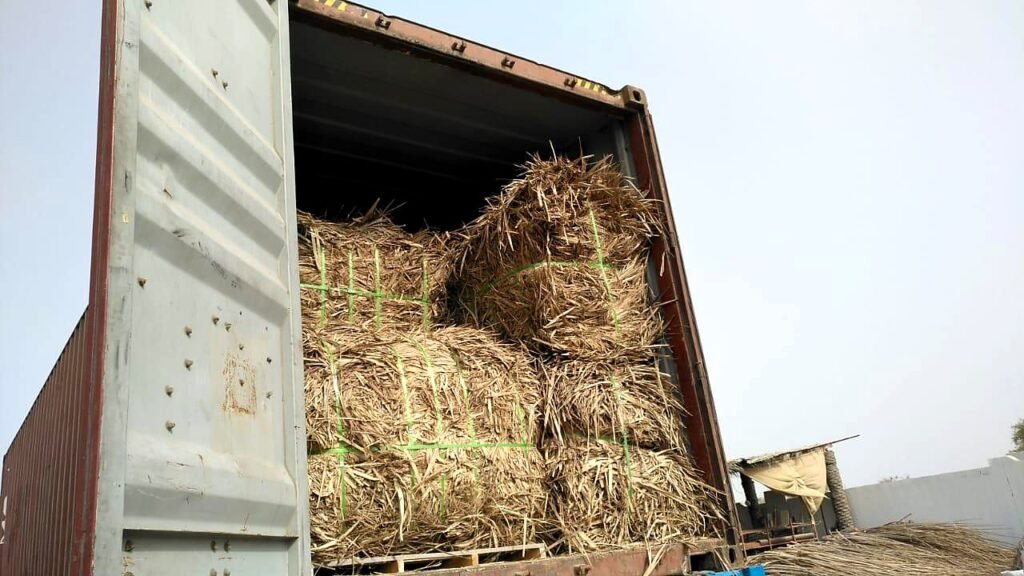
From the field
Prepared material, ready to move
Specification first
What we agree with you before supply
Every supply arrangement starts with a clear specification. We review it against available material and confirm what can be delivered, in what volumes and on what schedule.
| Parameter | What we define together |
|---|---|
| Material | Type of palm residue: fronds, midribs, leaflets, trunks, fibers or other by-products |
| Form & packaging | Loose, baled, bundled or bagged; bale, bundle or bag size |
| Quality | Cleanliness, moisture and other limits required by your process |
| Acceptance criteria | How each delivery is checked and accepted against the specification |
| Quantity | Annual volume and quantity per shipment |
| Schedule | Delivery frequency and timing |
| Destination | Delivery point, logistics and regulatory requirements |
Supply capacity
Organized capacity, with room to grow
Capacity is arranged across several material types and grades, with volumes per material confirmed for each agreement.
Regional resource base
7M+
tonnes of palm residues a year
Generated across the GCC and North Africa, based on R360.green field estimates and our knowledge of the sector.
Contractable capacity
100,000+
tonnes a year
Supply we can organize and contract today across several material types, according to specifications and agreed supply arrangements.
Growth target · 2031
500,000
tonnes a year
Planned collection, preparation and supply capacity within five years, built through wider collection networks, preparation sites, partnerships and contracts.
Global supply
Sourced in the region, supplied worldwide
Our sourcing is focused on the GCC and North Africa, and we welcome palm waste supply requests from specialized factories in any country. Each destination is assessed for its logistics requirements and the regulations that apply to it, such as import and plant-health rules.