
Impact
Turning an unmanaged residue into a managed resource
When palm residues are organized into supply for industry, fewer are burned or left to rot — and more become useful material.
The challenge
A large residue stream, often unmanaged
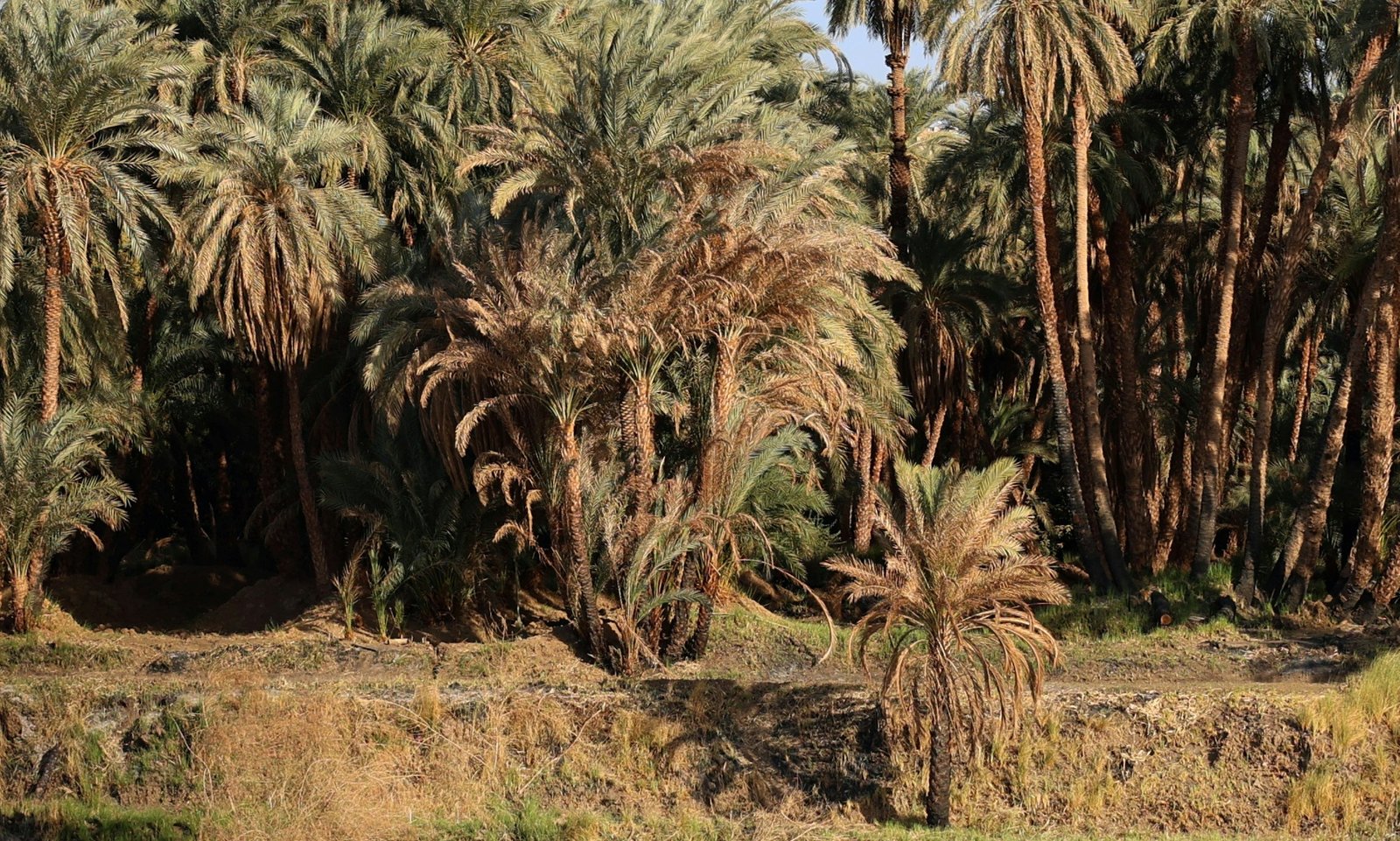
Across the GCC and North Africa, date palms generate more than 7 million tonnes of residues every year — fronds, midribs, trunks, fibers and other by-products — according to R360.green field estimates and our knowledge of the sector.
A significant share of this material is unmanaged or handled informally. Open burning and uncontrolled decomposition cause avoidable emissions, local air pollution and the loss of a usable resource. We see this material as industrial feedstock that has not yet been organized.
Environmental impact
What organized palm waste supply changes
01
Less open burning
Collecting residues for industrial use reduces the need to burn them, and with it CO₂ and smoke emissions.
02
Less methane
Removing residues from uncontrolled decomposition helps limit methane generation.
03
Better resource use
Palm material replaces other raw materials in industrial applications, adding value to each tonne.
04
Traceable feedstock
Organized handling creates formal supply chains with known origin and volume.
Economic impact
From disposal cost to industrial value
When palm residues are organized to specification, they can enter growing green sectors — biochar, bio-composites, sustainable packaging, fiber products and renewable material substitution. A residue that once needed disposal becomes a raw material with a market, and creates work in collection, sorting and preparation.
Global frameworks
This work aligns with the UN Sustainable Development Goals, in particular:
- SDG 12 — Responsible consumption and production
- SDG 13 — Climate action
Put palm residues to productive use
Work with us on supply or partnership, and help turn an unmanaged residue into industrial value.